Immigration status
Can I legally enter, live or work here?
- Visa
- Residence permit
- Work permit

Mobility
Residency, visas and the practical work of moving — without the noise.
Understand how immigration status, tax residence, housing, banking and everyday life interact when you move country.
A visa determines whether you can enter or stay. Tax residence determines which country may tax you. Banking, healthcare, housing and family logistics have their own rules again. A good relocation plan separates these questions rather than treating them as one.
The earlier you map the dependencies, the fewer decisions become urgent later.
Start here
Plan the move from visa and housing through to banking, healthcare and arrival.
Moving abroadSeparate immigration residence from tax residence and day-count rules.
ResidencyUnderstand permission to enter, stay, work, study or join family.
VisasUnderstand permanent residence and citizenship pathways conceptually.
CitizenshipSequence housing, schools, healthcare, banking and the first months after arrival.
RelocationUnderstand digital-nomad, residence and employer questions.
Digital nomadsUnderstand why travel days can matter for residence and reporting.
Residency day rulesUnderstand the landscape
Can I legally enter, live or work here?
Which country may treat me as tax resident?
What nationality rights may I acquire or retain?
Some countries use broader legal concepts beyond residence.
Do not assume a residence permit automatically determines tax residence.
Planning
Phase 1
Phase 2
Phase 3
Phase 4
Phase 5
Not every country follows this exact order, but sequencing helps identify dependencies.
Can you legally live and work there?
When might the destination begin treating you as resident for tax?
Do you need a lease or address before other applications can begin?
Can you keep existing accounts and open local ones?
What coverage is required before and after arrival?
Schools, spouses, dependants and guardianship can affect timing.
Local employment, remote work and employer obligations may differ.
Birth certificates, police checks, translations and apostilles can take time.
The full move
Step 1
Be clear about why you are going, and which permission matches that purpose.
Step 2
Ask which country may treat you as resident, and from when. This sits beside the visa, not inside it.
Step 3
Identity, civil status, police certificates and translations often set the pace.
Step 4
An address and cover are sometimes required before other registrations can start.
Step 5
Confirm what can stay open at home, and what you will need on arrival.
Step 6
Arrival formalities, a local address and any residence-card steps.
Step 7
Banks, insurers, pension schemes and tax authorities may each need a new address and status.
Step 8
Investments, pensions, wills and powers of attorney may need a fresh look once you are settled.
Day counts
Many countries use days as one part of a residence test. A home, family, work, and other ties can matter as well. Treaties between countries sometimes decide which residence prevails when two tests could both apply. Some systems also split a tax year when a person arrives or leaves. The detail is local.
A personal record of where you were — flights, boarding passes, accommodation — is easier to keep as you go than to reconstruct later. The record is evidence. It is not the legal test.
Do not treat a day-count threshold as a standalone legal test.
Documentation
Requirements vary by destination. Confirm document format before paying for certification or translation.
Finances
People often need to keep an account at home for a pension, a property or subscriptions, and open a local account for salary and rent. Whether an existing account can continue depends on the provider and on your new status. Credit history rarely travels. Cards, a deposit and a large transfer each have their own checks.
Foreign exchange is a cost on money that moves between those accounts. Compare the amount that arrives, not only a headline fee. A large payment may also need evidence of where the money came from.
Do not wait until after arrival to discover your existing bank cannot continue serving you.
Healthcare
Public healthcare, where it exists for newcomers, may depend on residence, employment or contributions. Private cover, an employer plan and travel insurance answer different risks. A visa can require proof of insurance before you travel. Waiting periods, dependants and treatment outside the destination are common gaps.
Travel cover is designed for a trip. Long-term health insurance is designed for ordinary life abroad. Compare what a plan actually pays for, including dependants and treatment away from home. This page offers no policy recommendation. Ask a qualified person if your health needs are complicated.
Housing
A lease, a purchase, a deposit and a guarantor are local practices. Utilities and a registered address often follow the contract. In some countries, a residential address is needed before banking, permits or local registration can progress. Buying is a separate legal project from renting, with its own tax and financing questions.
Work
Work permission can sit inside a visa, or it can be a separate permit tied to an employer. Sponsorship, remote work for an employer abroad, and local self-employment are different arrangements. Payroll withholding and social security can follow the place of work, the employer’s location, or an agreement between countries.
Employee and employer obligations can arise separately. Company policy matters even when a visa appears to allow the stay. A founder moving with a company has a further set of questions about where that company is managed.
Family
Dependants may need their own visas. School places follow a calendar that does not match immigration appointments. Healthcare has to cover children from the day you arrive. Childcare, a spouse’s right to work, the size and location of housing, and any guardianship or custody documents can all move the start date. Family members can also have different immigration statuses in the same household.
Practicalities
Pet entry rules can require vaccinations and waiting periods that start months before a flight. Removals and shipping need a destination address. A driving licence may be valid for a limited time, and importing a vehicle is a separate customs question. Utilities, a local mobile number and a postal address are ordinary, and they are often required by a bank or a local office.
Before relocation
After arrival
Exact priorities depend on the destination, but early administrative steps often affect everything else.
Settling in
A tax filing, a day count across the full year, access to a pension, whether an investment provider will keep serving you, and the start of a local credit history often show up after the boxes are unpacked. Estate planning written for one country may not deal with assets or heirs in another. Renewals and any path to permanent residence have their own clocks.
Schedule a review after the move rather than assuming the initial setup remains right.
Compare destinations
This is a list of questions, not a ranking of countries. The answers depend on your circumstances.
Why it matters. The rest of the plan depends on a permission that matches the stay.
What to check. Which route applies to your nationality and purpose, and what it allows.
Why it matters. A right to live somewhere can be separate from a right to work.
What to check. Whether the route, or a separate permit, covers employment or self-employment.
Why it matters. Family timing can decide the moving date.
What to check. Who can be included, and whether a spouse can work.
Why it matters. Tax residence can change the country that may tax you.
What to check. Days, a home, family, work and any treaty, with a qualified adviser.
Why it matters. A gap in cover is difficult to repair after an illness.
What to check. Public access, employer plans, and what private cover the visa may expect.
Why it matters. Rent, salary and everyday payments need somewhere to land.
What to check. What evidence local banks ask for, and whether existing accounts can continue.
Why it matters. Payroll, sponsorship and policy are the employer’s questions as well as yours.
What to check. Sponsorship, remote-work policy, and who handles local obligations.
Why it matters. An address can unlock registration, banking or a permit.
What to check. Whether a lease, a host, or ownership is accepted, and when.
Why it matters. A first visa is not always a path to staying.
What to check. Renewal conditions, permanent residence, and what presence is required.
Why it matters. Providers decide their own rules for customers who leave.
What to check. Ask each bank, broker, pension and insurer before you rely on the account.
Watch for
A potential issue is not always a problem. It is a reason to confirm the rule before relying on it.
Common situations
Scenario 1
Visa, payroll, tax residence, housing and family.
Scenario 2
Schools, healthcare, residency and estate planning.
Scenario 3
Work permission, tax residence and employer obligations.
Scenario 4
Residency, pension income, healthcare and estate planning.
Scenario 5
Residence, tax timing, banking, investments and estate planning.
Scenario 6
Day counts, residence, tax, healthcare and local registration.
Due diligence
Ask for a route matched to nationality, purpose and family. Another person’s visa is a poor template.
Confirm whether employment, self-employment or remote work is permitted, and for whom.
Ask who qualifies, what evidence is needed, and whether they can travel at the same time.
Some permissions expect you to be in the country for part of the year. Ask how absence is measured.
Ask for the current list, including civil documents, police certificates and financial evidence.
Certified copies, an apostille and a sworn translation are not interchangeable. Confirm the format before you pay for one.
Duration, and what happens at the end of it, should be in the conditions rather than in a headline.
Renewal can depend on presence, employment, income or a clean compliance record. Ask before you plan long absences.
A renewable visa is not automatically a settlement path. Ask what would have to be true later.
Citizenship, where it exists, usually has its own residence, language or civic conditions. Treat it as a separate question.
A dependant’s permission to live in the country can be different from permission to work.
Some places expect you to register an address, a residence card or a tax identity after arrival. Ask about the deadline.
Absence can affect renewal, permanent residence or a day-count test. Ask how trips are counted.
It may be relevant evidence. It does not, by itself, decide which country may tax you. That question belongs with a tax adviser.
Residence, the year of departure or arrival, employment, investments, pensions and any company you control.
Exit formalities, existing tax residence, accounts that may close, and documents that are easier to obtain while you still live there.
Registration, a residence card, a tax number or school enrolment can have short windows. Ask for the ones that apply to your route.
Sponsored routes can depend on the job. Ask what happens to your permission, and to your family’s, if the employment stops.
Professional support
This page is an orientation. It does not replace an immigration lawyer, a tax adviser or a relocation specialist. Professional advice may be appropriate when the route, the family or the money is more complicated than a standard move.
Compare mobility providers
Compare global mobility platforms, immigration specialists, law firms and residency advisers by service scope, geographic reach, client type and relocation capability.
A provider that is excellent for an employer-sponsored work visa may not be the right provider for a family relocation or an investment-residence application.
Start with the problem
What to compare
01
Which countries and routes does the provider actually support?
02
Immigration filing, relocation, residency advice or a full mobility programme?
03
Individual, family, founder or employer?
04
Law firm, immigration adviser, platform or relocation provider?
05
Will you have a specialist, a dashboard, or both?
06
Can the provider handle dependants and family relocation?
07
Does support stop at the visa, or continue through arrival?
08
Can the provider assist beyond temporary visas?
4 providers listed for comparison.

Global mobility platform
Immigration, visa support, employee relocation, employer-of-record sponsorship, renewals and mobility programme management.

Residency and citizenship advisory
Residency planning, citizenship planning, relocation visas and mobility strategy for private clients.
Investment, legal and tax implications should be assessed separately with suitably qualified advisers.

Immigration platform
Visas, work permits, residence permits, renewals, relocation and compliance tracking for employers and HR teams.

Global mobility platform
Immigration, relocation, work authorisation, business-travel compliance and remote-work assessments for employers and their employees.
Short published facts only. Reach is not a country list, and none of these figures is a rating.
Confirm the origin, destination and route with the provider. Immigration status is not tax residence.
| Provider | Provider type | Best aligned with | Global reach | Visa / immigration | Relocation | Client type | View |
|---|---|---|---|---|---|---|---|
| Global mobility platform | Companies, founders and internationally mobile workers | Very high | Work, employment and nomad routes | End-to-end, partner settlement | Individual and corporate | View |
| Residency and citizenship advisory | Individuals, families, entrepreneurs and HNW globally mobile clients | High | Residence and citizenship programmes | Advisory / visa support | Primarily private client | View |
| Immigration platform | HR teams, employers and internationally mobile talent | High | Business immigration, residence permits | End-to-end, visa through arrival | Primarily corporate | View |
| Global mobility platform | Employers and internationally mobile employees | High | Visa applications and work checks | Partner-supported guidance | Primarily corporate | View |
| Provider | Provider type | Best aligned with | Visa / immigration | Relocation | View |
|---|---|---|---|---|---|
| Global mobility platform | Companies, founders and internationally mobile workers | Work, employment and nomad routes | End-to-end, partner settlement | View |
| Residency and citizenship advisory | Individuals, families, entrepreneurs and HNW globally mobile clients | Residence and citizenship programmes | Advisory / visa support | View |
| Immigration platform | HR teams, employers and internationally mobile talent | Business immigration, residence permits | End-to-end, visa through arrival | View |
| Global mobility platform | Employers and internationally mobile employees | Visa applications and work checks | Partner-supported guidance | View |
Global mobility platform
Residency and citizenship advisory
Immigration platform
Global mobility platform
Combines immigration, employee mobility and programme management.
Technology-led visa and permit case management.
Legal representation and immigration advice for more complex matters. This comparison does not currently list a law firm.
Focuses on residence planning, long-term mobility and qualifying programmes.
Choose the provider model based on the problem — not the logo.
Common scenarios
Guides

Mobility
8 min read

Tax
6 min read

Insurance
12 min read
Managing wealth internationally sets out the financial questions that often follow a move. Destination pages below cover individual countries at the same level of generality.
Tools
Popular destinations

Banking, residency, property and business for people building a life in the Emirates.

Property, banking, residency and tax questions for people with ties to Spain.

Residency, banking and property for people considering Portugal.
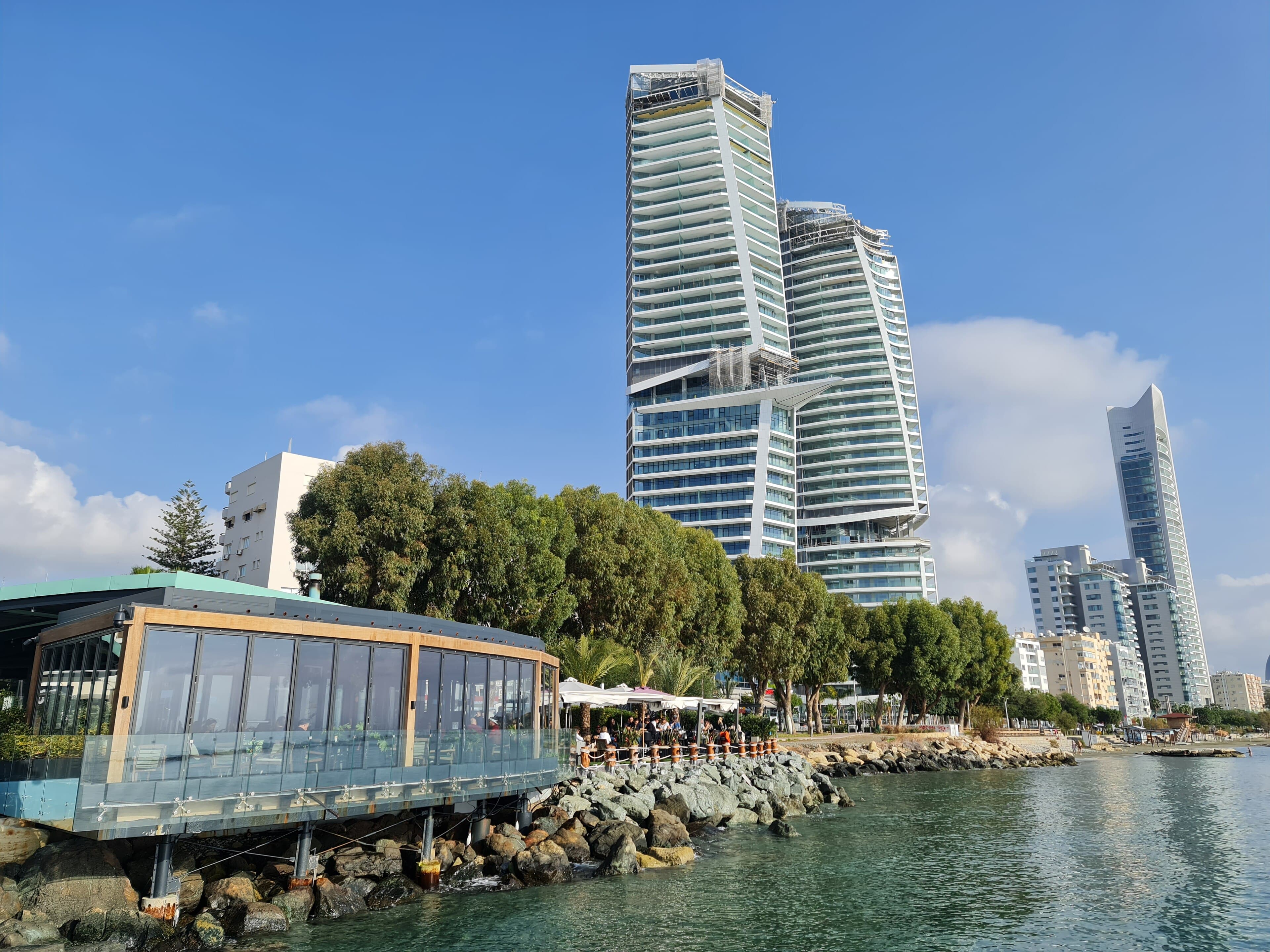
A Mediterranean base for residence, business and banking conversations.

Residence, banking and business orientation for a small EU state.

Banking, residence and wealth questions in a highly regulated centre.

A major Asian financial centre for work, banking and regional business.

Banking, tax and property orientation for a move to the United States.
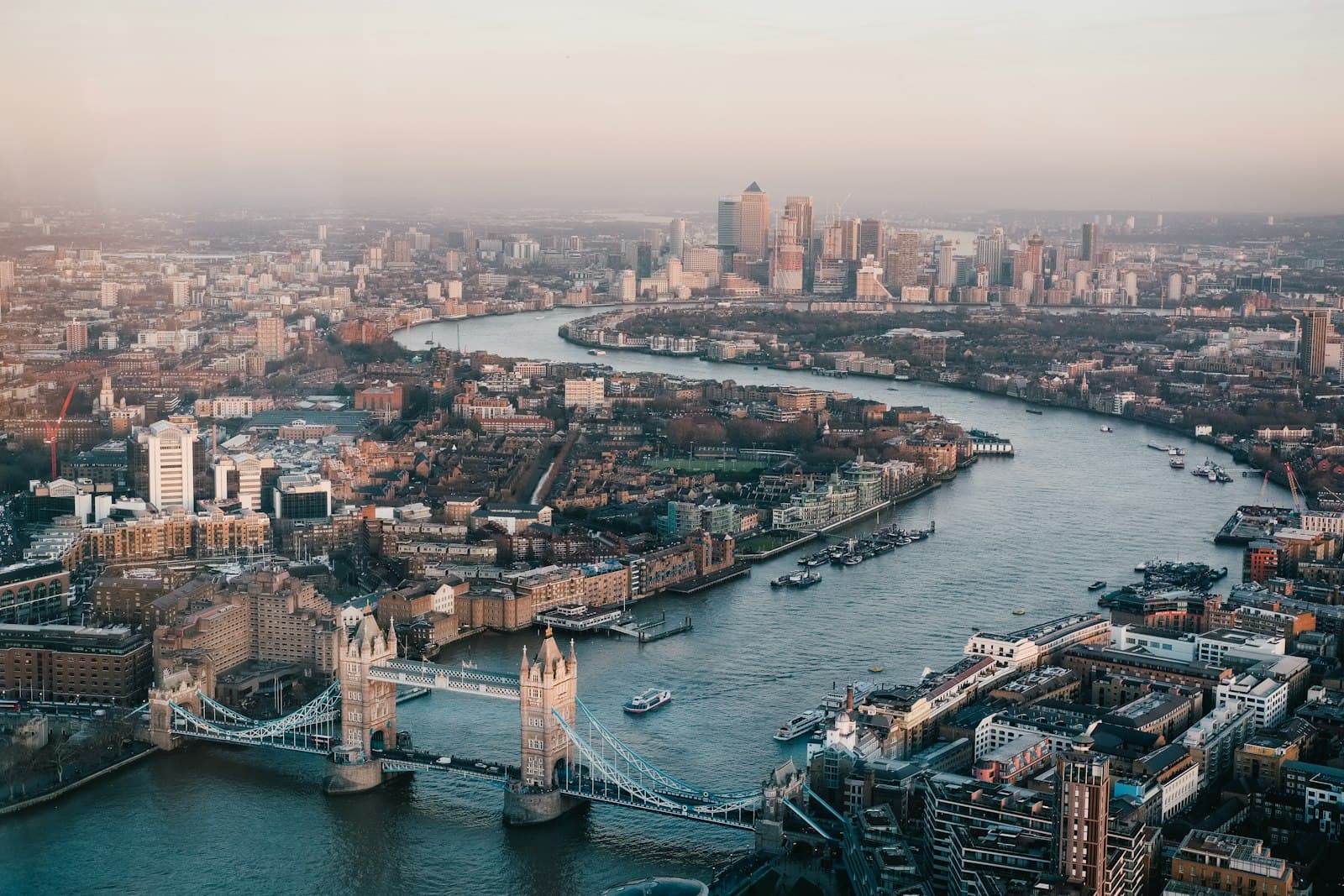
Banking, tax and property orientation for a move to the UK.

Property, residency and tax questions for people with ties to France.

Residency, property and tax orientation for a move to Italy.

Work, banking and tax orientation for a move to Germany.

Employment, housing and tax orientation for a move to the Netherlands.

An English-speaking European base for work, banking and tax questions.

Visas, tax and banking orientation for a move to Australia.

Provincial differences, tax and banking for a move to Canada.
Residency, tax, healthcare, banking and practical requirements vary by destination.
Get clear on the visa, residency, banking, healthcare and practical questions before your move begins.
WiT Access provides general information and comparison resources. Immigration, visa, residence and relocation rules vary by country, applicant and provider. Nothing on this page constitutes immigration, legal, tax or financial advice.
Visa and residence decisions are made by government authorities. No provider can guarantee approval.
Residence or citizenship programmes can involve legal, tax and investment consequences that require separate professional advice.